Peroneal tendinopathy is a condition that affects the tendons running along the outer side of the ankle and foot. These tendons help stabilize the ankle and support movement during walking, running, and sports. Repetitive strain, overuse, ankle injuries, or sudden increases in physical activity can cause irritation and pain. Understanding the right peroneal tendinopathy treatment can help reduce symptoms and support a safe return to normal activities.
What Causes Peroneal Tendinopathy?
Peroneal tendinopathy commonly develops when the tendons are repeatedly overloaded without enough recovery time. Athletes who participate in running, football, basketball, and other activities involving frequent ankle movements may be more vulnerable. Previous ankle sprains, poor foot mechanics, unsuitable footwear, and training on uneven surfaces can also increase stress on the tendons.
Common Symptoms
Pain along the outside of the ankle is one of the most noticeable symptoms. Some people also experience swelling, tenderness, stiffness, or discomfort when walking or exercising. Pain may become more noticeable when turning the foot outward, standing on the toes, or participating in activities that place additional pressure on the ankle. Persistent symptoms should be assessed by a qualified healthcare professional.
Initial Treatment and Rest
Reducing activities that aggravate the pain is often an important first step. This does not necessarily mean complete inactivity. Instead, patients may need to temporarily avoid running, jumping, or other movements that increase symptoms. Ice may help reduce discomfort after activity, while keeping the ankle comfortable and supported can encourage recovery.
Physiotherapy and Rehabilitation
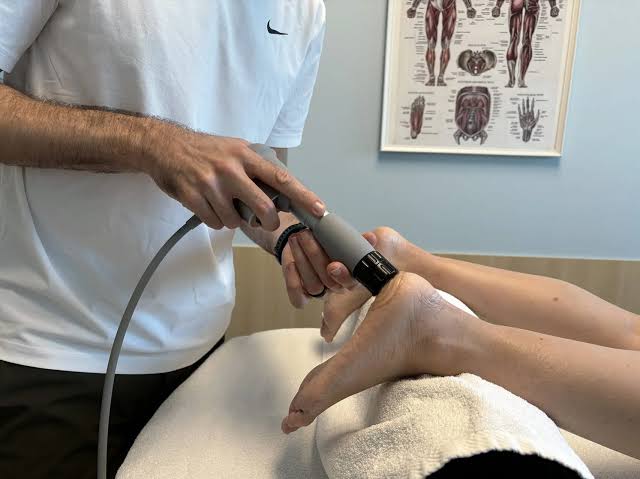
Physiotherapy plays an important role in many peroneal tendinopathy treatment plans. A physiotherapist can assess ankle movement, muscle strength, balance, and walking mechanics before developing an individualized rehabilitation program. Exercises may include gentle range-of-motion movements, calf strengthening, resistance-band exercises, balance training, and progressive loading of the peroneal tendons.
As strength improves, rehabilitation can gradually become more challenging. Sport-specific exercises may then be introduced to prepare the ankle for normal physical demands. Progress should generally be guided by symptoms and professional assessment rather than rushing back to intense activity.
Footwear and Support
Appropriate footwear can reduce unnecessary stress on the ankle. Shoes should provide suitable support and fit comfortably, particularly during exercise. In some cases, a healthcare professional may recommend temporary ankle support, taping, or orthotic devices depending on the individual’s foot structure and movement patterns.
When Medical Assessment Is Needed
Although mild tendon irritation may improve with appropriate activity modification and rehabilitation, persistent or severe pain should not be ignored. A healthcare professional may evaluate the ankle and determine whether imaging is appropriate. This can help identify conditions such as tendon tears, instability, or other causes of outer ankle pain.
Preventing Future Problems
Once symptoms improve, gradually returning to activity can help reduce the risk of recurrence. Increasing exercise intensity slowly, warming up properly, strengthening the ankle and lower-leg muscles, and allowing adequate recovery time are useful strategies. Maintaining good balance and mobility can also support ankle stability.
Conclusion
Peroneal tendinopathy can interfere with exercise, walking, and everyday activities, but appropriate management can often improve pain and function. Treatment commonly focuses on reducing aggravating activities, progressive rehabilitation, strength training, suitable footwear, and professional guidance when necessary. Because every injury is different, an individualized assessment is the best way to determine the most appropriate approach and support a safe return to activity.