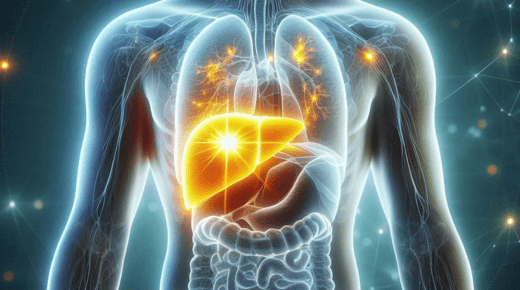

Alcoholism is a widespread and serious condition that affects individuals, families, and communities across the globe. It is a chronic disorder marked by an inability to control alcohol consumption, even when it leads to negative physical, emotional, and social consequences. Understanding how alcoholism develops, how it differs from alcohol abuse, and what recovery options are available can help people take informed steps toward a healthier life.
At its foundation, Alcoholism is driven by changes in brain chemistry. Alcohol alters the brain’s reward system, making drinking feel necessary rather than optional. Over time, the body develops tolerance, requiring larger amounts of alcohol to achieve the same effects. This progression often leads to dependence, where a person feels unable to function normally without drinking. What may begin as social or occasional drinking can gradually turn into compulsive behavior.
Alcohol abuse is often an early warning sign. It refers to repeated drinking patterns that cause harm, such as missing work, neglecting responsibilities, or engaging in risky behaviors. Binge drinking and frequent heavy drinking are common forms of alcohol abuse. While alcohol abuse does not always mean addiction, it significantly increases the risk of developing long-term dependency if left unaddressed.
When dependence develops, alcohol addiction takes hold. Alcohol Addiction is characterized by strong cravings, loss of control, and continued drinking despite clear harm to health or relationships. Individuals may experience withdrawal symptoms such as shaking, sweating, nausea, anxiety, or irritability when they stop drinking. These symptoms reinforce the cycle of addiction, making it extremely difficult to quit without professional support.
One of the first steps toward recovery is alcohol detoxification. Detoxification is the process by which the body clears alcohol from its system. This stage is critical because withdrawal symptoms can be uncomfortable and, in some cases, dangerous. Severe withdrawal may include seizures or heart complications, which is why detox is safest when done under medical supervision. A structured detox program helps stabilize the individual physically and mentally before ongoing treatment begins.
After detox, alcoholism treatment focuses on addressing the psychological and behavioral aspects of addiction. Treatment plans vary depending on the individual’s needs, the severity of the addiction, and any underlying mental health conditions. Options may include inpatient rehabilitation, outpatient programs, or ongoing counseling. Behavioral therapies such as cognitive-behavioral therapy help individuals identify triggers, manage cravings, and develop healthier coping mechanisms.
Support systems play a vital role in recovery. Group therapy and peer support programs allow individuals to share experiences and learn from others who face similar challenges. Family involvement can also be beneficial, as addiction often affects loved ones emotionally and financially. Rebuilding trust and communication is an important part of long-term healing.
Lifestyle changes are equally important in maintaining sobriety. Regular exercise, balanced nutrition, proper sleep, and stress management techniques support both physical and mental health. Avoiding environments or situations associated with drinking can reduce the risk of relapse. Many individuals also benefit from developing new hobbies or goals that provide purpose and structure.
It is important to recognize that alcoholism is not a moral weakness or personal failure. It is a medical condition that requires understanding, compassion, and professional care. Early intervention greatly improves recovery outcomes and reduces the risk of serious complications such as liver disease, heart problems, and mental health disorders.
In conclusion, alcoholism and alcohol abuse are complex but treatable conditions. With proper detoxification, effective treatment programs, and ongoing support, individuals can regain control over their lives. Recovery is a journey that takes time, but with commitment and the right resources, lasting sobriety and improved well-being are entirely achievable.